reviews_and_ramblings: (Default)
[personal profile] reviews_and_ramblings
 

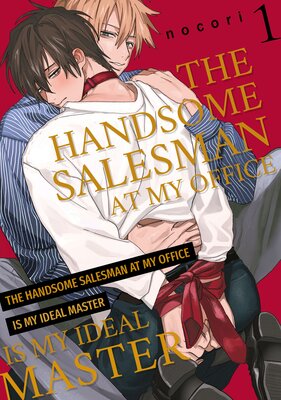
Hajime Yanase is a plain businessman who's pretty quiet at work. However, he's actually a hardcore submissive guy who often fishes online for men to hook up with, but usually ends up unsatisfied.
One day, his coworkers spot him leaving a shady hotel with one of his hookups. Rumors about him spread quickly, leaving him gloomy and alone at a company party. While everyone is making fun of Yanase, Haru Mitani, an extroverted and handsome guy from the sales department, starts chatting with him, confiding that he, too, is gay and wants to blow off some steam!
Even though Yanase knows their arrangement is just physical, he can't help feeling satisfied from their perfect chemistry in bed. At the same time, as they see each other more and more, Mitani's possessive nature starts to grow stronger...
This is the story of a handsome, big-shot, and dominant salesman and a seemingly-quiet, introverted businessman who's actually quite wild in the bedroom!

My Rate: 8 (www.ebookrenta.com/renta/sc/frm/item/149765)

If you’re looking for a BL that leans heavily into the "pet play" dynamic while maintaining a surprisingly sweet, workplace-rooted heart, The Handsome Salesman At Work Is An Ideal Master by nocori is a standout choice. The story follows Hajime Yanase, a diligent office worker who harbors a secret: he has a deep-seated desire to be "kept" and treated like a pet. Enter Haru Mitani, the office’s star salesman—handsome, capable, and seemingly perfect. When Mitani discovers Yanase's secret, he doesn't recoil. Instead, he steps into the role of the "Master" with an intensity that Yanase never expected. This isn't just a standard boss/subordinate romance. It explores D/s (Dominance and submission) themes through the lens of pet play. Mitani is protective and firm, while Yanase finds peace in his submissive role. A major draw is the "gap moe." Seeing these two maintain a professional, polished exterior at the office while knowing exactly what goes on behind closed doors adds a layer of delicious tension. Despite the kink-heavy premise, the relationship is built on mutual consent and care. Mitani isn't just a "Master"; he is a provider who genuinely looks after Yanase's well-being. Nocori’s art is polished and modern. Mitani has that classic "alpha" salesman look—sharp suits and a piercing gaze—while Yanase is drawn with a softer, more expressive vulnerability. The mangaka excels at drawing the "trance-like" expressions of Yanase when he's being pampered or disciplined, which is crucial for this specific sub-genre of BL. The Handsome Salesman At Work Is An Ideal Master is a top-tier pick for fans of kinky office romances. It manages to be explicit without losing the emotional thread that makes you root for the couple. It’s less about "dark" obsession and more about finding the one person who understands your unconventional needs. As with most nocori works, expect high-quality "steam" and a very clear focus on the physical and psychological aspects of the pet-master relationship.

Crush on You Like Spring Thunder by Kazari

Sunday, 10 May 2026 06:43 pm
reviews_and_ramblings: (Default)
[personal profile] reviews_and_ramblings
 

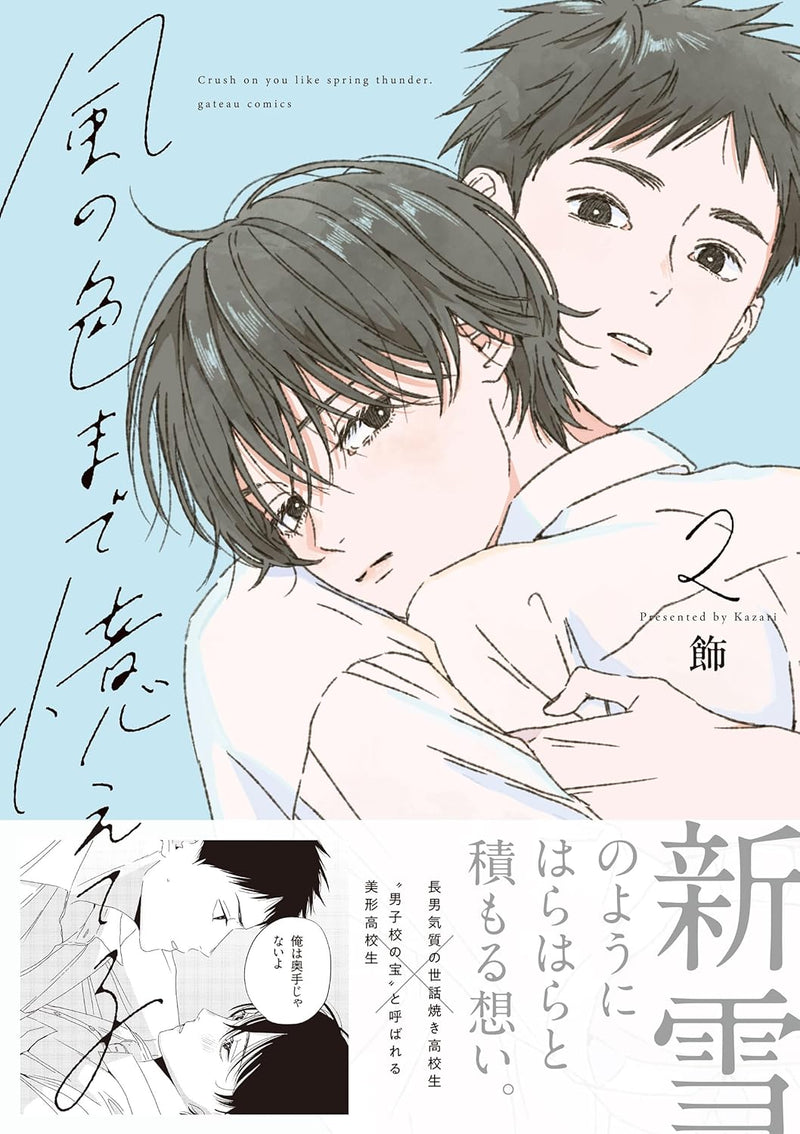
The first year of high school: Spring. Mori, who has just entered school, learns of his classmate, Michioto, who is rumored to be the "treasure of the boys' school." Mori volunteered to ask for Michioto's contact information on behalf of a friend who was too scared to talk to him. Mori headed towards Michioto without really thinking about it, but the moment Mori sees him, it's love at first sight...

My Rate: 8

This manga is a poignant exploration of "love at first sight" that avoids the usual cliches by focusing on the sensory overload of a first crush. The narrative kicks off with a classic boys' school setup but quickly shifts into something much more intimate and atmospheric. Mori is a fresh face at an all-boys school. He hears rumors about a classmate named Michioto, who is whispered to be the "treasure of the school" because of his ethereal looks and presence. Mori isn't particularly interested in the hype, but he agrees to help out a timid friend by approaching Michioto to ask for his contact information. The moment Mori actually lays eyes on Michioto, the "rumors" become a secondary thought. He experiences a literal bolt-from-the-blue moment of love at first sight. The story then follows Mori as he navigates the gap between being a "messenger" for his friend and his own burgeoning, intense obsession with Michioto. As the Japanese title's translation, I Remember Even the Color of the Wind, suggests, Kazari focuses heavily on how memory and love are tied to the senses. It isn't just about what Michioto says; it’s about the way the air feels around him, the specific shade of his hair in the light, and the "color" of the moment they met. Usually, the "most beautiful boy in school" trope leads to a story about popularity or arrogance. Here, Michioto is treated more like a quiet, almost untouchable figure. The story explores the pressure of being "admired from afar" and how Mori’s direct (though internally panicked) approach breaks that glass wall. If you’ve read Kazari’s other works, you know their style is defined by: Fine lines and very delicate character features. Cinematic panelling that feels like watching a live-action indie film. An ability to draw "silence"—there are many pages where the art does the talking, conveying the awkwardness and beauty of teenage longing. It is a relatively quick read (standard tankōbon length), but it feels "heavy" in a good way because of the emotional depth. It’s incredibly sweet but carries that sharp "sting" of high school romance where every text message feels like a life-or-death event. If you enjoyed works like Seven Days or Classmates (Doukyuusei), this will be right up your alley. It captures that same "frozen in time" feeling of being a student in love. It’s a beautiful, short, and impactful read. It’s less about a complex plot and more about capturing the exact moment a heart starts beating for someone else.
reviews_and_ramblings: (Default)
[personal profile] reviews_and_ramblings
 

This is a problem. The more attached Asuka-kun becomes, the cuter he looks… Ever since Kaii-san picked up his lost commuter pass, Kaii-san has somehow ended up living in Asuka-kun's house...!? Eating meals together, trying their hand at gardening, spending Halloween together... Little by little, the distance between them seems to be shrinking.

My Rate: 8 

Kaii-san to Asuka-kun no Ohanashi by Shizuma is a refreshing, supernatural BL that leans heavily into the "found family" trope with a side of gentle, domestic romance. If you’re tired of high-octane drama and want something that feels like a warm cup of tea on a rainy day, this is it. The story follows Asuka-kun, a college student who has the unfortunate (or perhaps fortunate) ability to see "Kaii"—supernatural apparitions or urban legends. While most people would run screaming, Asuka ends up living with Kaii-san, a powerful, humanoid supernatural entity who is as mysterious as he is surprisingly domestic. Asuka-kun is the "straight man" of the duo. He’s grounded, kind, and remarkably unfazed by the weirdness surrounding his roommate. His care for Kaii-san feels organic rather than forced by plot necessity. Shizuma does a fantastic job of making Kaii-san feel truly other. Even when he’s doing mundane tasks, there’s a sense of latent power and ancient loneliness behind him. The way he slowly learns to navigate human emotions through Asuka is the heart of the manga. The romance isn't rushed. It focuses on the quiet moments—cooking, cleaning, and the silent understanding between two beings who don't quite fit into the "normal" world. Shizuma’s art style is clean but evocative. The character designs for the various spirits (Kaii) are creative and occasionally eerie, which provides a nice contrast to the soft, handsome features of the leads. While there are moments of tension regarding the spirit world, the primary focus remains on the evolving relationship. It’s a "comfort read" through and through. This manga is a love letter to the weird and the lonely. It argues that no matter how "monstrous" or "different" you are, there is always a place where you belong.

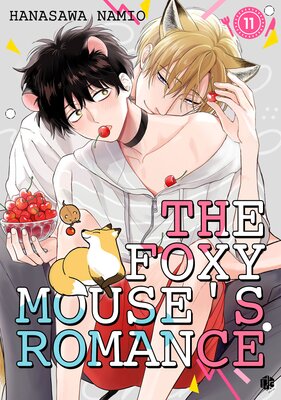
The Foxy Mouse's Romance by Namio Hanasawa

Sunday, 10 May 2026 05:58 pm
reviews_and_ramblings: (Default)
[personal profile] reviews_and_ramblings
 

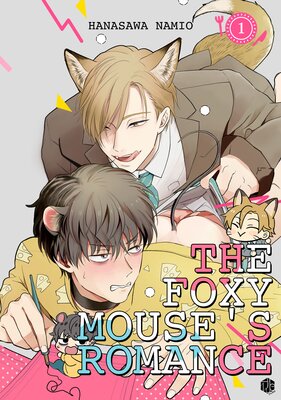
Sachio Kurumizawa is an omega mouse manga artist, and Shinobu Ukano, the alpha fox, is his editor... but Sachio can't help but feel uncomfortable around Shinobu.
He always seems to look at Sachio with predatory eyes.
One night, Sachio goes into heat at an omega-only bar, and Shinobu saves him.
Unfortunately, Sachio has no idea how long he'll stay in heat... and then, Shinobu offers to help him stop it.
Will Sachio say yes to getting between the sheets with Shinobu despite his terror of being devoured...!?

My Rate: 8 (www.ebookrenta.com/renta/sc/frm/item/142515)

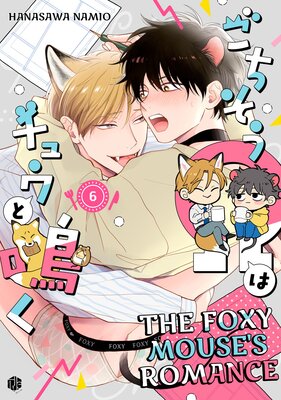
If you are looking for a BL that leans heavily into the "opposites attract" trope with a dash of height-difference charm and animal-coded personalities, The Foxy Mouse's Romance is a cozy, trope-heavy delight. The story centers on the relationship between Sachio (The "Mouse"), a petite, hardworking man who radiates "prey animal" energy, and Shinobu (The "Fox"), a tall, sharp-featured, and somewhat intimidating man who carries the aura of a predator. The "Foxy Mouse" title is literal (they are actual shifters), but it is also a metaphor for their social and physical dynamics. The narrative follows their transition from a height-gap friendship into a romantic entanglement where the power balance is more nuanced than it looks on the surface. Sachio is the heart of the story. While he fits the "uke" archetype—being small and easily flustered—Hanasawa gives him enough earnestness that he doesn't feel like a cardboard cutout. His reactions to Shinobu are often comedic and serve as the main driver for the "moe" factor. Shinobu plays the "seme" role with a mix of intense devotion and occasional possessiveness. Despite his "foxy" or "predatory" appearance, his genuine affection for Sachio provides the sweetness that balances out his sharper edges. Namio Hanasawa has a clean, expressive style. The contrast between Sachio’s soft features and Shinobu’s angular, "sly" look effectively communicates the theme without needing constant dialogue to explain it. It’s a relatively light read. It doesn't bog itself down with heavy trauma or overly complex external drama, focusing instead on the internal realization of feelings and the "will-they-won't-they" tension. If you enjoy "size difference" imagery and protective leads, this hits all the right notes. This manga doesn't necessarily reinvent the wheel. It leans on established BL conventions. If you’re looking for a genre-bending masterpiece, this might feel a bit predictable. Shinobu can sometimes border on being "overly intense," which is a common staple in the genre but might not be everyone’s cup of tea if they prefer more egalitarian beginnings. The Foxy Mouse's Romance is a sweet, standard-issue BL that excels at character chemistry. It’s the perfect "comfort read" for an afternoon when you want something cute, visually appealing, and emotionally uncomplicated. If you loved titles like Dekoboko Sugar Days, you will likely find Sachio and Shinobu’s dynamic right up your alley.

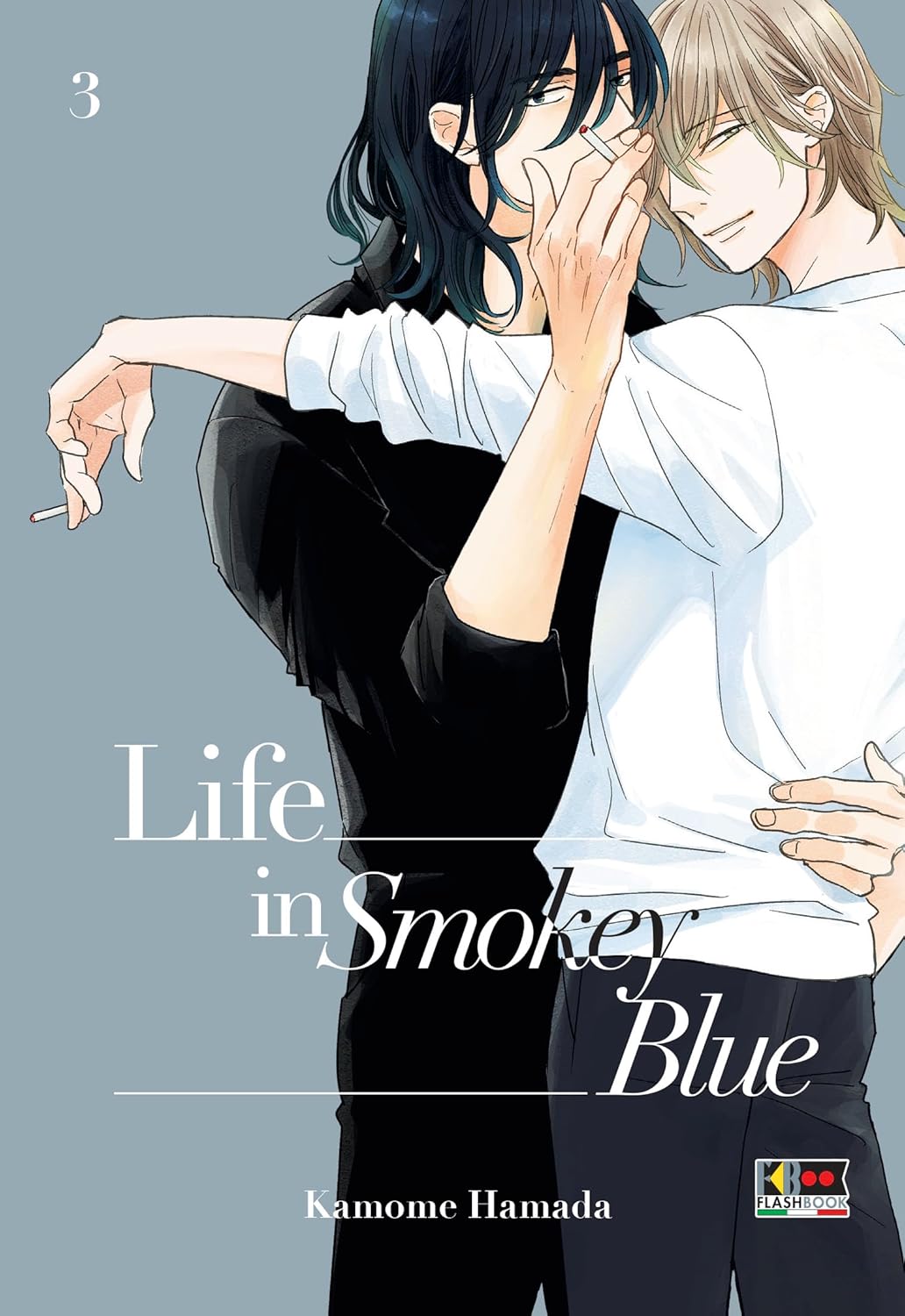
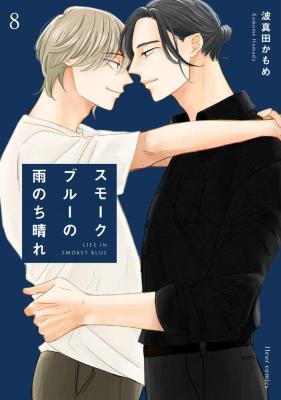
Life in Smokey Blue by Kamome Hamada

Sunday, 10 May 2026 04:34 pm
reviews_and_ramblings: (Default)
[personal profile] reviews_and_ramblings
 

Sakutarou got himself in danger while enjoying the nightlife when he was saved by Kuji Shizuka, his ex-colleague and rival who used to boast of being no.1 in sales. Kuji had resigned from work slightly earlier than him, and Sakutarou had envied him, believing that Kuji must be having a glorious second career now. However, after reuniting with Kuji for the first time in six years and though he's still as sarcastic as ever, Kuji now has long hair and a lethargic appearance and for some reason, he currently works as a translator...

My Rate: 8 (amzn.to/4daXeTe)

Life in Smokey Blue by Kamome Hamada is widely considered a "grown-up" BL in the best way possible. It steps away from the high school hallways and dives into the messy, quiet, and often complicated reality of adult life. If the first part of the series is about "reconnecting," the story of Sakutarou and Shizuka is about intentionality. Sakutarou is often the "anchor." He’s grounded, observant, and possesses that classic Kamome Hamada trait of being a weary but capable adult. Shizuka carries a bit more of the "smokey" atmosphere. He is complex, sometimes elusive, and his vulnerability is layered under a professional or social mask. What makes their review so positive among fans is the lack of artifice. They don't communicate through shouts or grand gestures; they communicate through shared cigarettes, quiet dinners, and the spaces between words. Hamada excels at showing how two people in their 30s negotiate "baggage." They aren't blank slates; they have pasts, and the manga respects that. Kamome Hamada’s art for Sakutarou and Shizuka is particularly evocative. There is a heavy emphasis on hands, the way they hold a glass, or the way they lean against a wall. It feels very tactile and intimate without needing to be explicit. The use of screentones and shadows creates a constant sense of twilight. It feels like you are watching a high-end indie film. The review for this specific pair usually hinges on comfort. Shizuka, in particular, has moments of deep insecurity regarding his place in Sakutarou’s life. Watching Sakutarou provide a sense of "home" without being overbearing is incredibly satisfying. It’s a story about finding a "landing spot" after a long day of being an adult. The Sakutarou and Shizuka chapters elevate Life in Smokey Blue from a simple romance to a character study. It is a "quiet" manga. If you want something to read on a rainy night with a cup of coffee (or a glass of whiskey), this pair provides the perfect atmosphere. It is a masterclass in the "Slice of Life" BL subgenre.

Chotto Matou yo, Harutora-kun by Amekiri

Sunday, 10 May 2026 04:17 pm
reviews_and_ramblings: (Default)
[personal profile] reviews_and_ramblings
 

Ever since it became known to the people around him that he is gay, Iki, a high school student, hides his expression with a mask and plays a character who is bullied in the student dormitory. He advances to the second year and shares a room with a new student named Harutora. Iki is attracted to Harutora's straightforward personality and the way he devotes himself to his club activities...?

My Rate: 8

Chotto Matou yo, Harutora-kun by Amekiri is a delightful entry into the "opposites attract" and "earnest kouhai" subgenres of BL. If you’re looking for a story that prioritizes sweetness and emotional sincerity over heavy melodrama, this is a top-tier choice. The story follows Iki, a college student who is generally laid-back but perhaps a bit too used to people keeping their distance. His world gets turned upside down by Harutora, a blunt, energetic, and incredibly persistent younger student who doesn't just knock on the door of Iki's heart—he basically kicks it down with a smile. The "Golden Retriever" Harutora is the soul of this manga. His "dog-like" loyalty and lack of a filter make for hilarious and heart-melting interactions. He doesn't play games; if he likes Iki, he says it. Constantly. The art is clean, expressive, and soft. Amekiri excels at drawing facial expressions that convey that specific "panic-to-affection" pipeline that Iki experiences. The character designs are distinct and visually appealing without being overly stylized. While there is character development and the usual hurdles of realization and confession, the manga avoids toxic tropes. It’s a "comfy" read that focuses on how Harutora’s sunshine personality eventually melts Iki’s cooler exterior. This is a must-read for fans of Amekiri (known for Megumi to Tsugumi) or anyone who enjoys the Kouhai/Senpai dynamic. It’s a story about the bravery it takes to be honest with your feelings and the joy of finding someone who appreciates you exactly as you are. It’s short, sweet, and punchy. It doesn't overstay its welcome, making it a perfect palette cleanser between more intense or angst-heavy series.

Backlight by Gangddo

Sunday, 10 May 2026 01:56 pm
reviews_and_ramblings: (Default)
[personal profile] reviews_and_ramblings


A life in the spotlight is a dream for many…but it’s behind the scenes where the real drama takes place. Baek Yeongwoon plays manager for Seo Hae-yool, an up-and-coming actor at All One Pictures with a secret: his success is fuelled by an industry “sponsor” who loves more than just his talent. So when a love affair between the young star and a mysterious figure threatens the livelihood of their company, it is up to Yeongwoon to track his client down and put an end to their risky romp. But the truth may be too much for him to bear, as the other party turns out to be top model - and Yeongwoon’s first love - Han Seo-in. As Yeongwoon struggles to reconcile his unresolved feelings for Seo-in with his sense of duty toward his work, the two fall into a intricate web woven of unanswered questions and lingering emotions that changes the trajectory of their lives forever...

My Rate: 8 (www.lezhinus.com/en/comic/backlight_en)

If you’re looking for a story that masterfully blends celebrity drama with deeply rooted psychological trauma, Backlight by Gangddo is a heavy-hitter in the BL genre. It’s not your average "glamorous life" romance; it’s a gritty, emotional dive into how the past can haunt the present. The story follows Baek Yeongwoon, a dedicated and somewhat stoic manager at All One Pictures. He’s currently managing an up-and-coming actor, Seo Hae-yool, who is tangled in a messy "sponsorship" scandal. While trying to protect his client, Yeongwoon crosses paths with the other man in the affair: Han Seo-in, a top-tier model and, more significantly, Yeongwoon’s first love and source of his greatest trauma. Baek Yeongwoon (The Stoic Survivor) is a character defined by his resilience and his scars. He carries a significant amount of guilt and internalized pain from his school days. As a manager, he is professional to a fault, but Seo-in’s reappearance completely shatters his composure. Watching him navigate his duty to his job versus his unresolved feelings for Seo-in is the emotional backbone of the series. Han Seo-in (The Complex "Antagonist") starts as a character who is very easy to dislike. He is manipulative, possessive, and seems to enjoy pulling Yeongwoon’s strings. However, as the story unfolds—particularly in the flashback arcs—we see that Seo-in is just as broken as Yeongwoon. He is a "red flag" character, but the writing provides deep context for his toxicity, making him a fascinating, if polarizing, lead. Gangddo’s art style is atmospheric and expressive. The contrast between the bright lights of the entertainment industry and the dark, moody "backlight" of the characters' private lives is visually stunning. The story doesn't rush the healing process. It treats the characters' pasts with weight, showing how childhood trauma manifests in adult relationships through miscommunication and obsession. Characters like Taegu add necessary tension. The unrequited love and the protective (sometimes overstepping) nature of the supporting cast make the world feel lived-in and high-stakes. This is not a "feel-good" read. It deals with heavy themes, including manipulative behavior, toxic family dynamics, and emotional abuse. Some readers find the transition between the present-day drama and the extensive school-life flashbacks a bit jarring, though these flashbacks are essential for understanding Seo-in’s motivations. Backlight is a 10/10 for fans of psychological BL and angst. It succeeds because it doesn't shy away from the "messiness" of love. It asks the question: Can two people who broke each other ever truly find a way to fix what’s left? If you're sensitive to "red flag" leads, take it slow. The character development for Seo-in is a journey, and he doesn't become "good" overnight—which is exactly what makes the story so compelling.

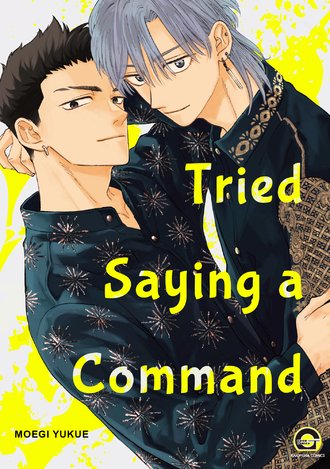
Tried Saying a Command by MOEGI YUKUE

Saturday, 9 May 2026 07:09 pm
reviews_and_ramblings: (Default)
[personal profile] reviews_and_ramblings
 

"Masa, Sit." Masa, the owner of a boutique clothing store, is best friends with the heartthrob fashion model, Oto. Together, they turn heads wherever they go. Both are also high-level Doms. However, Oto struggles with the strength of his commands, making him too intense for any sub partners he's had so far. Masa, on the other hand, has three regular partners. Seeking advice, Oto invites Masa out for dinner, where he playfully gives Masa a command, and then...?!

My Rate: 8 (mangaplaza.com/title/0303010289/)

If you’re looking for a BL that prioritizes "cozy domesticity" over high-stakes drama, Moegi Yukue’s Tried Saying a Command is a standout. It’s a sweet, low-stress exploration of a long-term relationship finding a new rhythm through a bit of harmless, experimental play. The story follows Masa and Oto, a couple of friends who have known each other for years. They are both Dominant Doms, but by chance they discover Masa is a switch and can react to Oto's commando. They decide to experiment with "commands"—small, playful prompts to spice up their interactions and see how the other reacts. What makes this manga work is the groundedness of the leads: Masa: Often the more "composed" one, his reactions to Oto’s commands (and his own attempts to lead) reveal a vulnerability that is incredibly endearing. Oto: He brings a certain warmth and spontaneity to the dynamic. His relationship with Masa feels lived-in; they aren't just lovers, they are best friends who truly know each other. Unlike many BL titles that rely on misunderstandings or "non-con" tropes for tension, this series is built on consent and curiosity. The "commands" are a vehicle for them to express desires they might have been too shy to bring up otherwise. The art is soft, clean, and expressive. Yukue excels at drawing "gentle" men—characters who feel masculine but are capable of immense tenderness. The facial expressions during the more embarrassing "command" moments are gold. It’s rare to find a story that focuses on the maintenance of love rather than the initial chase. Seeing Masa and Oto navigate their domestic life together provides a sense of warmth that feels like a "warm hug" in manga form. A masterclass in soft, domestic BL, Tried Saying a Command isn't going to give you heart-wrenching angst or dark psychological turns. Instead, it offers a refreshing look at how a stable couple continues to grow. It’s charming, slightly spicy in a tasteful way, and deeply romantic. Best for fans of: Established relationship tropes. Soft, "fluff" heavy stories. Healthy communication and consent. Moegi Yukue’s other works (like The High Schooler and the Salaryman).

FlashLight by YANGMA

Saturday, 9 May 2026 06:10 pm
reviews_and_ramblings: (Default)
[personal profile] reviews_and_ramblings
 

Aaron Hunter’s got it all. Looks, talent, and he just won the award for best actor. He does have one issue though: trouble sleeping. The only thing that’ll get him to fall asleep is a certain song by a certain someone. And when they finally meet, this is Aaron’s chance to get him to write a new song. But will the mysterious singer accept this deal? And will past traumas become illuminated by their newfound relationship…?

My Rate: 8 (www.lezhinus.com/en/comic/flashlight_en)

Flashlight by YANGMA is a striking entry in the psychological BL genre, known for its intense atmosphere and the complex, often volatile chemistry between its leads, Aaron and Yujin. If you’re looking for a "sweet and fluffy" romance, this isn't it. Flashlight leans into the tension of past trauma and the blurred lines between obsession and protection. The heart of the story lies in the friction between two very different men tied together by a shared, painful history. Yujin is the emotional anchor of the story. Haunted by past events, Yujin’s life is defined by a sense of fragility and a desperate need for stability. His journey is less about falling in love and more about navigating the suffocating presence of Aaron. Aaron is a classic "complicated" lead. He is intense, protective to a fault, and often morally ambiguous. His actions frequently walk the line between devotion and control, making him a polarizing figure for readers. YANGMA excels at creating a claustrophobic, cinematic mood. The manhwa uses "quiet" panels effectively to build tension before a confrontation. The narrative constantly plays with who holds the upper hand, both physically and emotionally. It explores how two people can experience the same event and come out with completely different psychological scars. The art is one of the manhwa's strongest selling points. Sharp, clean linework emphasizes the coldness of the setting. The character designs are highly expressive, particularly in the eyes, which convey a lot of the subtext that the dialogue leaves out. The use of lighting (fitting for a title like Flashlight) helps highlight the "darkness" the characters are trying to escape. Flashlight is a must-read for fans of psychological dramas like Killing Stalking or Warehouse, but who prefer a slightly more grounded (though still very dark) narrative. It’s a beautifully drawn, haunting look at how the past can keep you trapped in the dark.

Ghoul Work, Kurose by Macho Tako

Saturday, 9 May 2026 12:35 pm
reviews_and_ramblings: (Default)
[personal profile] reviews_and_ramblings
 

A BL manga that starts with a haunted meet-cute between a plain, unlucky schoolboy who can see spirits and the cool, stoic classmate who’s determined to catch his heart. A cute and spooky high school romance!

I feel like...I've forgotten about someone really important to me.

Yuuma Kurose is a quiet boy who can see spirits. He keeps to himself and is always alone, with a specific nightmare that haunts his nights.

As if led by the dream, Yuuma moves back to the town he once lived in as a child. There, he finds a boy called Kaito who is surrounded by a horrifying ghost.

"I swear I'll protect you." Kaito promises to keep Yuuma safe...but the moment he touches Yuuma, the spirit that lingered around Kaito switches targets to haunt Yuuma instead!

The cool-headed, stoic, and yearning top x the unlucky, plain bottom. Toyed with by fate, the two will have to fight past spirits and hauntings to be together.

My Rate: 8 (amzn.to/42p0i9q)

"Ghoul Work, Kurose" is a supernatural BL by Macho Tako. While Macho Tako is known for "beefier" art and intense physical chemistry, this specific story stands out for its high-stakes, haunted atmosphere. 
Yuuma Kurose is a quiet, isolated boy with a heavy burden: he can see spirits. After being plagued by recurring nightmares about his childhood home, he returns to his old town only to cross paths with Kaito, a bright and seemingly "normal" guy who is being followed by a truly terrifying, high-level ghost. The twist? As soon as Kaito touches Yuuma to "protect" him, the malevolent spirit transfers itself from Kaito to Yuuma. Now, the two are bound together by a supernatural curse that forces them to confront both the ghosts around them and the growing tension between them. Yuuma Kurose (The "Plain" Unlucky One) is a classic Macho Tako protagonist—reserved, slightly weary from his experiences, and physically capable but emotionally guarded. His ability to see the "other side" makes him a magnet for trouble, and his internal struggle with being "possessed" by Kaito’s ghost adds a layer of vulnerability that balances his stoicism. Kaito (The Cool-Headed Protector) starts as the charismatic "hero" figure who wants to save Yuuma, but the dynamic quickly shifts. He feels a deep sense of responsibility (and guilt) for the fact that his "haunting" moved to Yuuma. His determination to stay by Yuuma's side transitions from a duty of protection to a genuine, yearning attraction. Macho Tako uses the supernatural theme to heighten the physical intimacy. The "touch" required to transfer spirits or manage the curse provides a built-in reason for the characters to be in each other’s personal space, creating a thick, palpable tension. If you’re a fan of the artist’s previous works, you won't be disappointed. The anatomy is robust and detailed, but in Ghoul Work, there’s a specific focus on facial expressions—especially the contrast between Kaito’s intense, yearning stares and Yuuma’s flustered reactions. It’s darker than your average school-based BL. It draws comparisons to titles like The Summer Hikaru Died, leaning into the "creepy yet beautiful" aesthetic. Ghoul Work, Kurose is perfect for readers who want more "meat" on their characters—both literally (in terms of art) and figuratively (in terms of plot). The Yuuma/Kaito pairing is a masterclass in how to use a supernatural curse to force two people to face their feelings.
reviews_and_ramblings: (Default)
[personal profile] reviews_and_ramblings
 

The official spin-off to the wildly popular BL omegaverse series, Hate Me, but Let Me Stay! Asanaga and Yanagi are certainly more than friends, but…what does that make them exactly? See what romance blossoms in this new story!

Elementary school teachers Asanaga, an alpha, and Yanagi, an omega, are more than friends but not quite lovers. And while their relationship began with Asanaga’s fervent, one-sided pursuit, Yanagi has found himself warming to his sincere—albeit pushy—affections. But even if he wishes he could stand on equal footing with Asanaga and reciprocate his feelings more openly, insecurity about his omega nature and traumatic past hold him back. Despite it all, Asanaga is determined to make Yanagi his and show him just how wonderful true love can be!

My Rate: 8 (amzn.to/4u7sOsq)

Hate Me, but Let Me Stay is like a complicated, heavy conversation in the rain. Hijiki delivers a story that is deeply emotional, tackling themes of internalized homophobia, self-loathing, and the messy reality of adulthood. The story centers on two men who have known each other since high school: Asanaga: A man who struggles with his identity and has spent years suppressing his true feelings, often resulting in a cold or "hateful" exterior. Yanagi: The persistent, seemingly more stable counterpart who remains entwined in Asanaga's life despite the friction between them. The narrative focuses on their reunion as adults and the slow, often painful process of dismantling the walls Asanaga has built around himself. Hijiki doesn't shy away from the "ugly" side of love. The "Hate Me" in the title isn't just a dramatic hook; it reflects Asanaga’s genuine struggle with self-acceptance and how that project onto Yanagi. Unlike many high school BLs, this series captures the weariness of adult life. The stakes feel higher because the characters are dealing with long-term trauma and the consequences of their choices over a decade. The "hate-to-love" trope is handled with more psychological depth than usual. It’s less about bickering and more about the fear of vulnerability. Hijiki’s art is beautiful but carries a certain weight. The characters’ expressions often convey more than the dialogue, capturing subtle shifts from exhaustion to yearning. This is a high-angst read. If you are looking for immediate fluff or a "sunshine" story, this might feel heavy. The payoff is satisfying, but you have to work through the characters' pain to get there. Asanaga can be a frustrating protagonist for some. His self-sabotage is realistic but can be difficult to watch if you prefer characters who are more self-aware from the start. A poignant, mature exploration of how past wounds dictate present relationships. It’s a must-read for fans of "Omegaverse" authors (like Hijiki’s other works) who want a grounded, non-supernatural story about the difficulty of letting someone in.

Contradict by Kamome Ooshima

Saturday, 9 May 2026 10:03 am
reviews_and_ramblings: (Default)
[personal profile] reviews_and_ramblings
 

A cocky and confident Yajima harbors dislike for Torikai, a cool and talented fellow trainee in the Rescue Team. The two constantly quarrel, but one day they cross the line while squabbling and end up sleeping together. Yajima regrets it, but at the same time he cannot get Torikai's pleading expression out of his head. However, because they have been rivals until now, he just can't bring himself to be honest with Torikai.

My Rate: 8 (amzn.to/4uDbnzM)

If you’re looking for a BL that prioritizes emotional friction and the slow-burn realization of feelings over high-octane drama, Contradict is a standout. Kamome Ooshima excels at capturing the awkward, often messy transition from "workplace acquaintances" to "something more.The story follows Yajima, a hardworking and somewhat rigid firefighter, and Torikai, his coworker who seems to be his polar opposite. The tension between them isn't built on a grand rivalry, but rather on the small, daily "contradictions" in their personalities and how they perceive one another. Ooshima avoids the "instant love" trope. Instead, the relationship is built on subtle shifts in perspective. You really feel the weight of their professional lives pressing against their personal desires. Yajima is relatable in his hesitation. His internal monologue reveals a man who is trying to maintain order while his feelings for Torikai start to disrupt his carefully built world. Torikai acts as the perfect foil—less predictable and often the catalyst for Yajima’s growth. Ooshima’s art is clean, expressive, and sophisticated. The character designs are distinct, and she has a knack for using negative space and facial expressions to convey what the dialogue leaves unsaid. The Heat Level is moderate. It focuses heavily on the romantic and psychological build-up, but doesn't shy away from intimacy when the narrative calls for it. The Tone is reflective, slightly bittersweet, but ultimately rewarding. It’s a "mature" BL in terms of its themes and execution, rather than just its content. Contradict is a must-read for fans of Office/Salaryman BL who enjoy character-driven plots. It explores the idea that we often like the people we "shouldn't" like on paper, and how those contradictions make a relationship feel more authentic. If you enjoyed Ooshima’s other works like Red Hood or Keep Out, you’ll find the same level of polish and emotional depth here. It’s a quiet story that lingers long after you finish the final chapter.
[personal profile] ravenholdt1
Hello my lovelies and friends! I got the itch and since I write instead of vid now (very sad, I know), I decided to make a Thing.

Hopefully, you'll enjoy as much as I enjoyed writing it, and the sequel that I'm currently working on.

Summary:

There are cameras at every level.

Jack O'Neill has spent four years navigating the architecture of institutional surveillance — the cameras in the locker room, the servers breathing in the dark, the Maybourne-shaped institutional memory with its long reach — and the specific, impassable, wall-shaped fact of Don't Ask Don't Tell. He has built a room in the back of the house. He keeps the wanting there. He has been very careful.

Daniel Jackson has spent four years reading a text he cannot translate out loud without making the thing real. He is a linguist. He has always known what things mean. He has been choosing, with considerable deliberate effort, not to say so.

They are, both of them, very good at this.


Caught in a Bad Romance by Holdt on AO3


Melting Point by PIBI

Friday, 8 May 2026 06:11 pm
reviews_and_ramblings: (Default)
[personal profile] reviews_and_ramblings
 

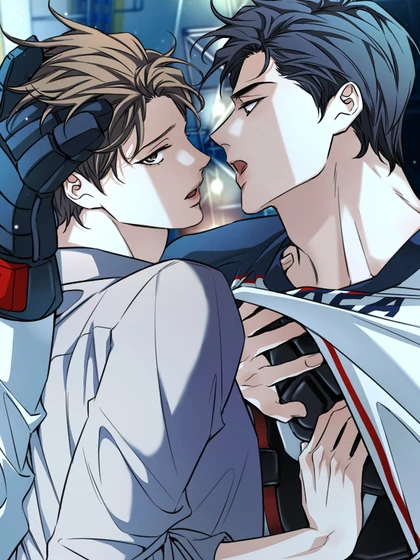
After twelve years, a former teammate—no, a thorn in his side—suddenly reappears. Eunsan isn’t thrilled to be working with Ian again, having long buried both his ice hockey past and any memories of him. Unlike Eunsan, who hopes their meeting will be a one-time thing, Ian insists on keeping him around with an offer he can’t refuse. With his beloved younger sibling caught in the middle, Eunsan reluctantly agrees, but he can't shake the feeling that Ian has an ulterior motive. Why does Ian keep pulling him closer? There’s no way this guy actually has feelings for him…right?

My Rate: 8 (www.lezhinus.com/en/comic/meltingpoint)

Melting Point is a masterclass in the "opposites attract" trope, blending high-tension drama with deeply intimate character development. PIBI, known for a distinct and emotive art style, delivers a story that feels both grounded and incredibly charged. The heart of the story lies in the friction between the two leads. Their chemistry isn't just about physical attraction; it’s a slow-burn psychological game where their "melting points" are constantly tested. Eunsan often carries a sense of guarded vulnerability. Watching him navigate his feelings—and his physical reactions—to Ian’s presence provides the emotional backbone of the series. Ian serves as the perfect foil. He is often the catalyst for the story's tension, pushing boundaries in a way that feels both provocative and, eventually, protective. PIBI’s art is arguably the biggest draw. The character designs are sleek, and the use of shading and "gaze" creates an atmosphere you can almost feel. The facial expressions effectively convey what the dialogue leaves unsaid. True to its title, the series excels at building heat. It’s not just about the explicit scenes; it’s about the lingering looks, the proximity, and the power struggle between the two. Unlike some manhwa that rush into a relationship, Melting Point takes its time to let the characters simmer. This makes the eventual "melting" much more satisfying for the reader. If you prefer "fluff" or low-stakes romance, this might feel a bit heavy. The emotional stakes are high, and the power dynamics can be intense. The plot is very character-driven. If you’re looking for a complex external plot (like corporate espionage or high fantasy), you might find the singular focus on their relationship a bit narrow. Melting Point is a must-read for fans of high-chemistry, atmospheric BL. It captures the messy, exhilarating process of two people losing their composure for one another. If you enjoyed PIBI’s other works or titles with similar "cold lead vs. persistent lead" energy, this will be right up your alley. Pay attention to the background details and color palettes in the more intimate chapters; PIBI uses them brilliantly to signal shifts in the characters' moods.
reviews_and_ramblings: (Default)
[personal profile] reviews_and_ramblings
 

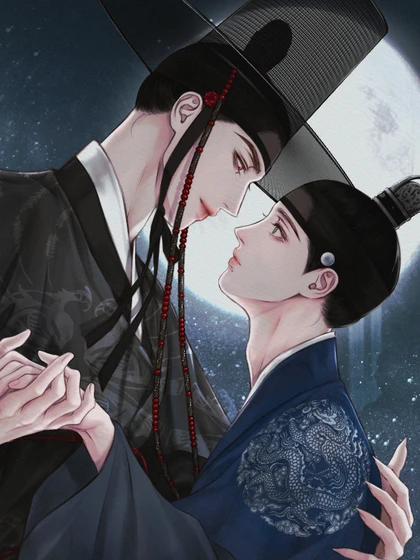
As the son of King Yeom-ra of the underworld, Jae-shin has lived a hedonistic life full of ever-changing bed partners and condescension towards humans. One day, however, he crosses a line and is given a rather unusual punishment: by day, he becomes a powerless puppy, and by night, he becomes a human. The only way to escape his punishment is to win over a human’s heart, which won’t be easy…especially when the human he sets his eyes on is sweet-natured prince Lee Nok. Will Jae-shin win over the prince? Or will Jae-shin be the one who is won over?

My Rate: 8
 (www.lezhinus.com/en/comic/ghost_nocturne)

If you’re looking for a series that perfectly balances haunting atmosphere, high-stakes palace intrigue, and a "star-crossed" romance that feels genuinely earned, The Ghost's Nocturne is a standout. It’s a supernatural BL that manages to be both visually breathtaking and emotionally heavy. The heart of this story is the friction—and eventual magnetic pull—between the two leads. Jae-shin is the quintessential "brooding prince" but with a supernatural twist. Cursed and cynical, he carries the weight of his royal bloodline and a literal ghost of a past. His character arc from a cold, detached figure to someone deeply protective is one of the most satisfying parts of the narrative. Nok Lee is far from a typical "damsel" protagonist. Nok Lee brings a sense of grounded vulnerability and resilience. His ability to see what others can't (the supernatural elements) makes him the perfect foil to Jae-shin’s physical power. Their Chemistry is a slow-burn that thrives on tension. The power dynamic is constantly shifting as they navigate trust in a world where everyone has an ulterior motive. Unlike many BLs that use a historical setting merely as a backdrop, The Ghost's Nocturne integrates its folklore deeply into the plot. The central mystery surrounding the curse and the "nocturne" elements keeps the stakes high. It isn't just about whether they'll end up together, but whether they’ll survive the spiritual and political forces trying to tear them apart. The palace politics are sharp. You’ll find yourself just as invested in the shadowy conspiracies of the court as you are in the romance. The art by Ananas is, frankly, top-tier.  The use of lighting and shadows captures the "ghostly" theme perfectly. The night scenes feel heavy and intimate. The detail in the traditional Korean clothing (Hanbok) and the expressive facial work—especially during the more silent, longing-filled moments—is exceptional. This isn't a "light" read. It’s a story about trauma, legacy, and finding light in a literal and metaphorical darkness. If you enjoyed titles like Painter of the Night but wanted more supernatural elements and a bit more "fate-driven" storytelling, this is exactly what you need.

Profile

temris: (Default)
temris

hi:)

image host
image host

You can call me Temris. I write from my bedroom.

I write here like it's my irl journal and my concern is just letting my thoughts loose.
Main concern: ME.
Main audience: ME.
You can read along tho :)


I have the tendency to talk about various subjects but since I can't manage more than one blog I end up letting it all get mixed together.

May 2026

M T W T F S S
    123
45 678910
11121314151617
18192021222324
25262728293031

Style Credit

Powered by Dreamwidth Studios